4.8 ★★★★★ 100+ reviews on Google

Scoliosis

Understanding, Diagnosing, & Treating
Scoliosis

Join us at Balanced and take the next step towards achieving your goals.

Don't just take our word for it...

Scoliosis

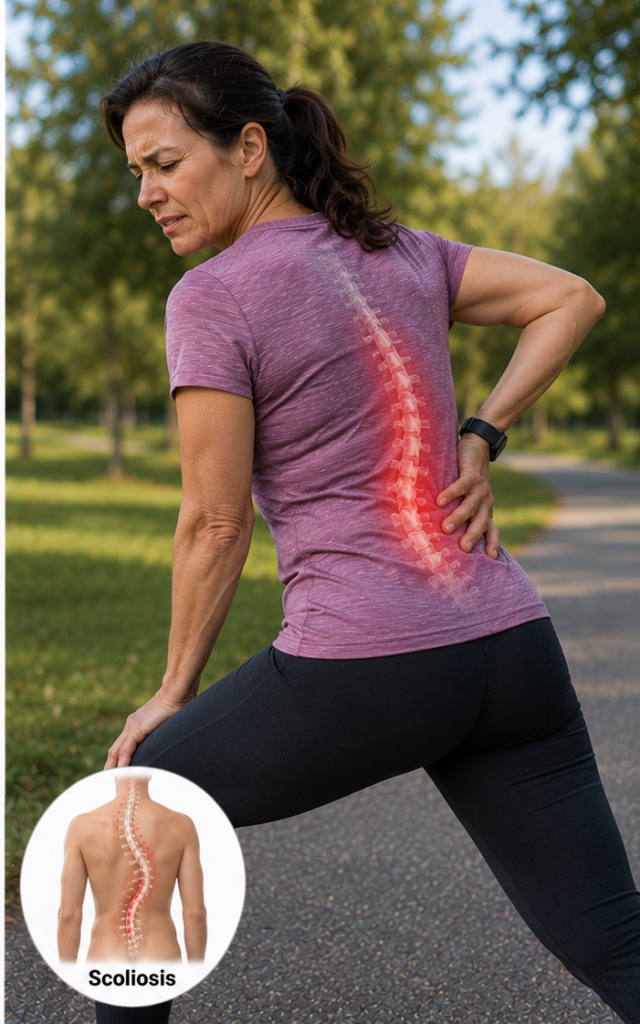
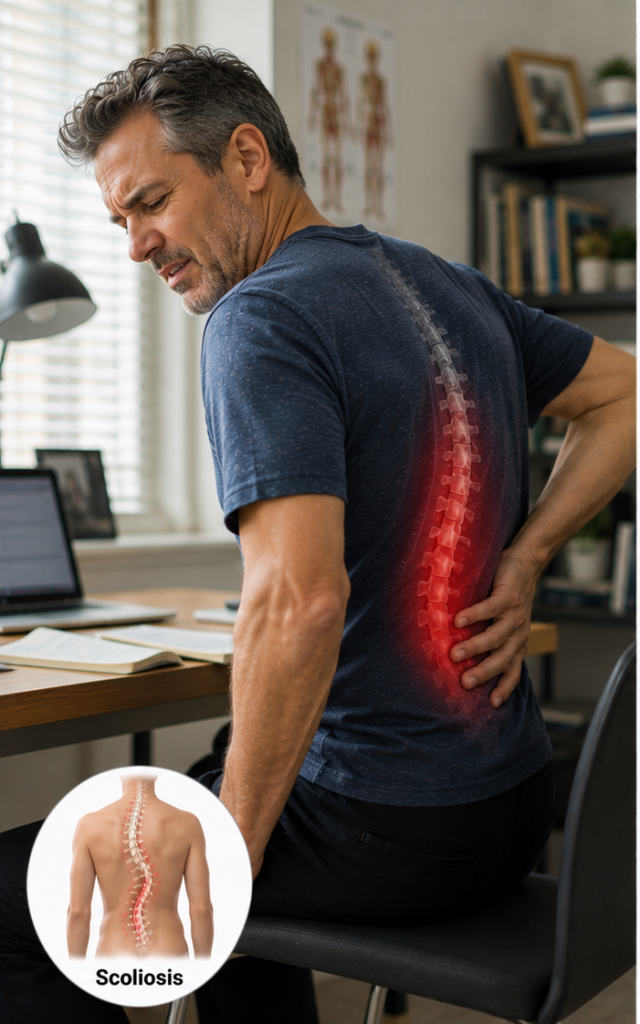
Scoliosis is a condition where the spine curves and rotates abnormally to the side.

It can develop in childhood or adolescence, but it may also occur in adults due to age-related changes in the spine. The severity of the curve can vary, and in some cases it may affect posture, movement, comfort and, more rarely, breathing function.

Early assessment is important to understand the type and severity of scoliosis and guide appropriate management.

Signs & Symptoms of Scoliosis

Symptoms can vary depending on the severity of the curve and may not always be noticeable in the early stages.

Signs and symptoms may include:

What Can Cause Scoliosis?

The cause of scoliosis is often unknown, particularly in children and adolescents (idiopathic scoliosis).

In some cases, it may be present from birth or develop due to neuromuscular conditions, differences in muscle balance, or degenerative changes in the spine in adulthood.

Treatment Options For Scoliosis

Treatment for scoliosis depends on the type of curve, severity and its impact on daily function.

Treatment may include:

In some cases, bracing may be recommended to help slow progression of the curve, particularly in adolescents.

Surgery may be considered in more severe cases where the curve is progressing or significantly affecting quality of life.