4.8 ★★★★★ 100+ reviews on Google
Lower Pack Pain
Understanding, Diagnosing, & Treating
Lower Back Pain
Join us at Balanced and take the next step towards achieving your goals.
Don't just take our word for it...
Lower Back Pain
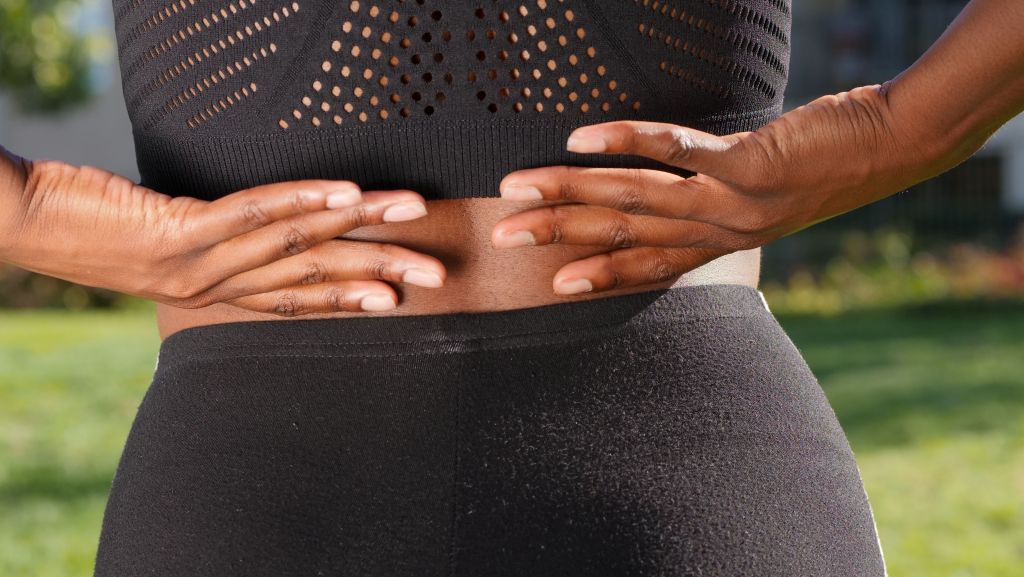
Lower back pain is one of the most common musculoskeletal conditions, affecting people of all ages and activity levels. It can develop suddenly after an injury or build up gradually through everyday activities, repeated strain or age-related changes.
Symptoms range from mild stiffness to pain that can affect movement, work, exercise and daily life. The good news is that most cases improve with the right assessment and treatment, helping to reduce pain, restore movement and get you back to doing what you enjoy.
Signs & Symptoms of Lower Back Pain
Lower back pain can affect everyone differently.
Common symptoms include:
- Persistent ache or stiffness
- Sharp pain
- Muscle spasms
- Pain that spreads into the buttocks or legs
- Sciatica symptoms
- Pins and needles or numbness
- Weakness in the legs
- Reduced mobility
What Can Cause Lower Back Pain?
Lower back pain is often caused by muscle or ligament strains, lifting, repetitive movements or prolonged sitting. Poor sleep, stress, inactivity and carrying excess weight can also contribute.
Sometimes, it may be linked to conditions such as a slipped (herniated) disc, sciatica or arthritis. If your pain lasts for several weeks, worsens, or affects your daily activities, it’s important to seek assessment from a healthcare professional or your GP.
Treatment Options For Lower Back Pain
Treatment depends on the cause of your symptoms, but most people benefit from physiotherapy, manual therapy and tailored exercise.
At Balanced Physiotherapy, we’ll assess the underlying cause of your back pain and create a personalised treatment plan to reduce pain, improve movement and help you return to everyday activities with confidence.
Treatment may include:
- Hands-on therapy to reduce pain and stiffness
- Exercises to improve strength, flexibility and movement
- Postural and ergonomic advice
- Lifestyle guidance to help prevent future flare-ups
Our aim is to reduce pain, restore movement and help you return to everyday activities with confidence.